By: Shellie Munsey
October 26, 2026
Your commercial building works hard every day. It shelters employees, welcomes customers, protects inventory, and houses the equipment that keeps your operations running. Yet many property owners overlook one of the most important factors in how well a building performs: its insulation. When insulation falls short, you may notice higher utility bills, uncomfortable workspaces, and HVAC systems that seem to run nonstop.
Experienced commercial insulation contractors see these problems regularly, and they also know the practical steps that can reverse them. Whether you manage an office complex, a retail storefront, a warehouse, or a multi-tenant facility, the right insulation strategy can improve comfort, cut energy waste, and support your long-term budget. Below, we share several tips from the field that can help you get more out of your commercial property.
Scheduling a Professional Energy Assessment
The first tip that commercial insulation contractors share is simple: start with an accurate picture of where your building stands. It's easy to guess at the source of a cold office or a spike in your energy bill, but guesswork often leads to wasted money on upgrades that don't address the real issue. A professional assessment examines your existing insulation levels, identifies gaps and compressed areas, and pinpoints where conditioned air escapes.
Professionals look at walls, ceilings, roof decks, mechanical rooms, and other areas that property managers rarely see up close. They also consider how you use your building. A warehouse with large loading doors has different needs than a medical office or a restaurant with a busy kitchen. With this information in hand, you can prioritize the improvements that will deliver the greatest return rather than spreading your budget across projects with minimal impact. An assessment also gives you a baseline, making it easier to measure the results of any upgrades you complete later.
Sealing Air Leaks Before Adding Insulation
Insulation slows the transfer of heat, but it can't do its job well if air moves freely through gaps in the building envelope. That's why many commercial insulation contractors recommend addressing air leakage as part of any insulation project. Common culprits include penetrations around pipes and wiring, gaps near the roofline, poorly sealed windows and doors, and joints where different building materials meet. Over time, settling and routine wear can widen these openings.
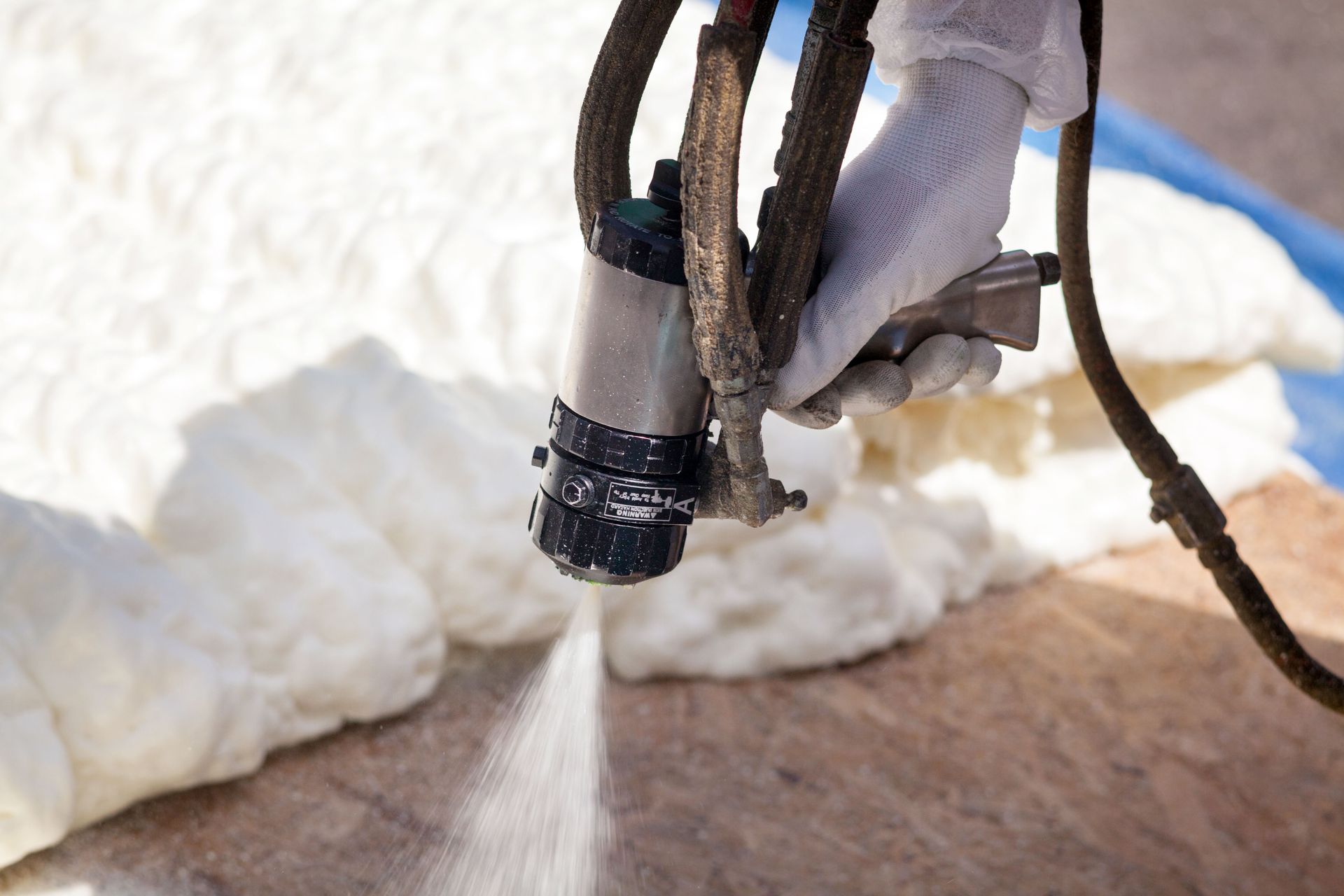
When outside air seeps in, your HVAC system has to work harder to compensate, and your employees feel the difference in the form of drafts and hot or cold spots. Spray foam insulation offers a significant advantage here because it expands to fill cracks and irregular cavities, creating both an insulating layer and an air seal in a single application. For buildings where spray foam isn't the right fit, professionals can combine other insulation materials with targeted sealing methods. Either way, stopping air leaks first helps every other upgrade perform at its full potential.
Choosing the Right Insulation Material
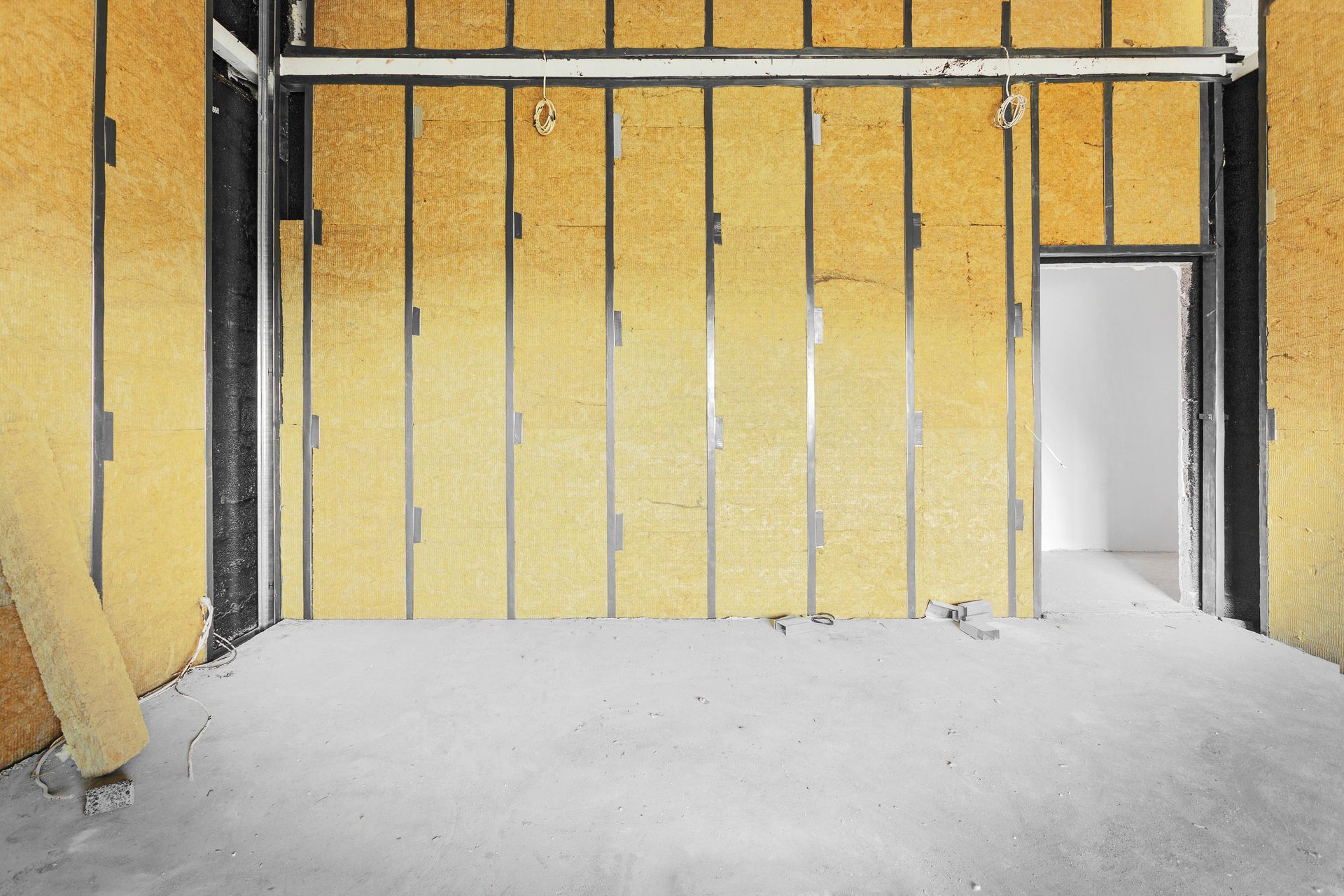
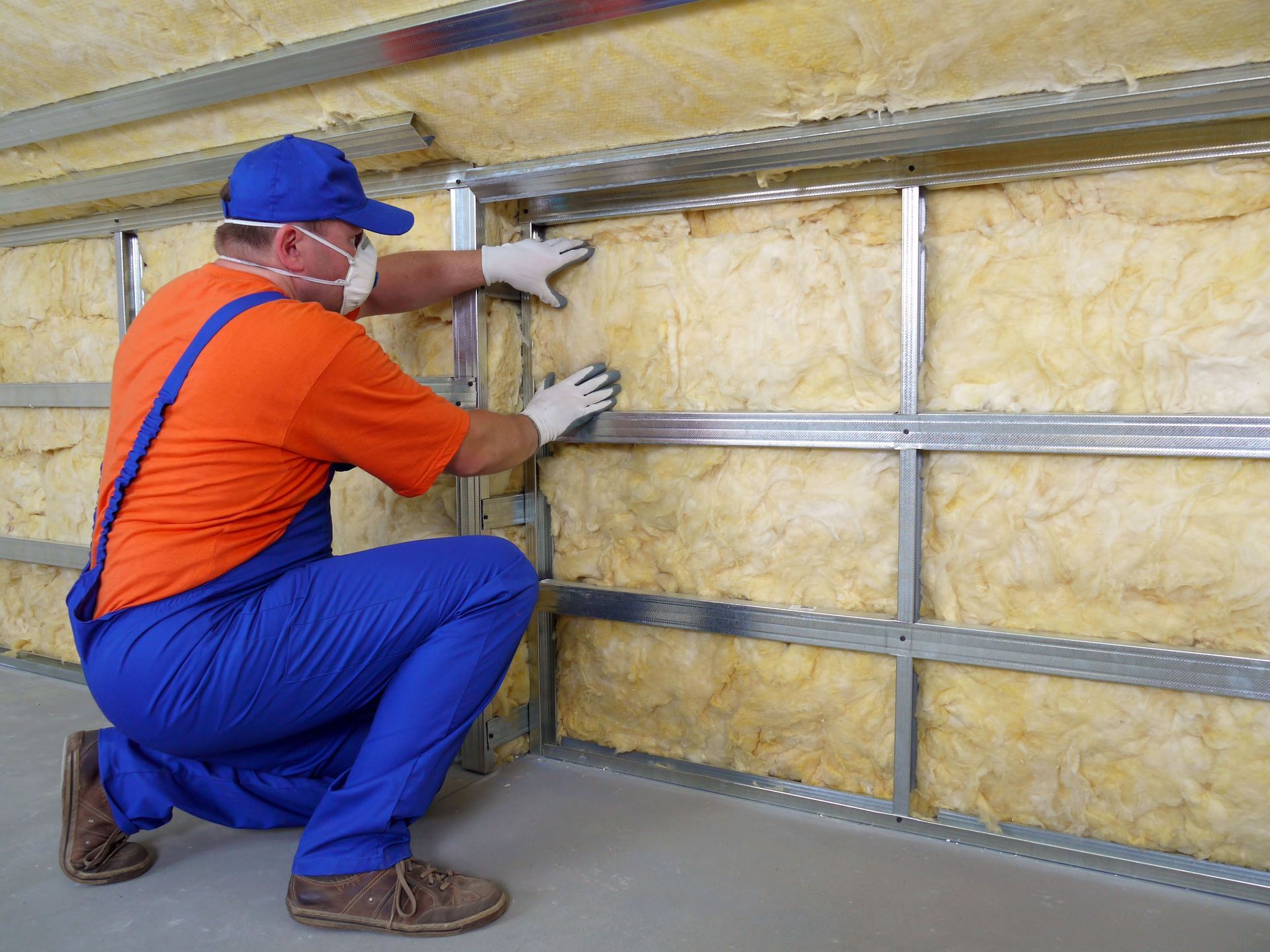
No single insulation product works for every building, which is why material selection deserves careful thought. Seasoned commercial insulation contractors weigh factors such as the space being insulated, moisture exposure, fire safety requirements, budget, and performance goals before making a recommendation. Fiberglass insulation remains a popular, cost-effective choice for walls, ceilings, and attics. It resists moisture damage and provides dependable thermal performance when installed correctly. Cellulose insulation fills enclosed cavities well and helps reduce sound transfer. Spray foam delivers strong air sealing and a high insulating value per inch, making it well-suited for metal buildings, roof decks, and hard-to-reach areas.
Sustainability also plays a growing role in material decisions for many businesses. Recycled-content insulation can help companies meet environmental goals without sacrificing performance. According to the Department of Energy (DOE), cotton insulation contains 85% recycled materials, which shows how far eco-conscious insulation options have come. Cellulose also relies heavily on recycled paper products, giving property owners another way to shrink their environmental footprint. A knowledgeable professional can explain the strengths and limitations of each option and help you select a material that aligns with your building's needs and your company's priorities.
Prioritizing the Roof and Attic Spaces
Heat naturally rises, and in commercial buildings with expansive roofs, the area above your ceiling can account for a substantial share of energy loss in winter and heat gain in summer. For this reason, commercial insulation contractors often encourage property owners to give roof decks, attics, and plenum spaces extra attention. During long summer days, the sun beats down on rooftops for hours, driving heat into the spaces below.
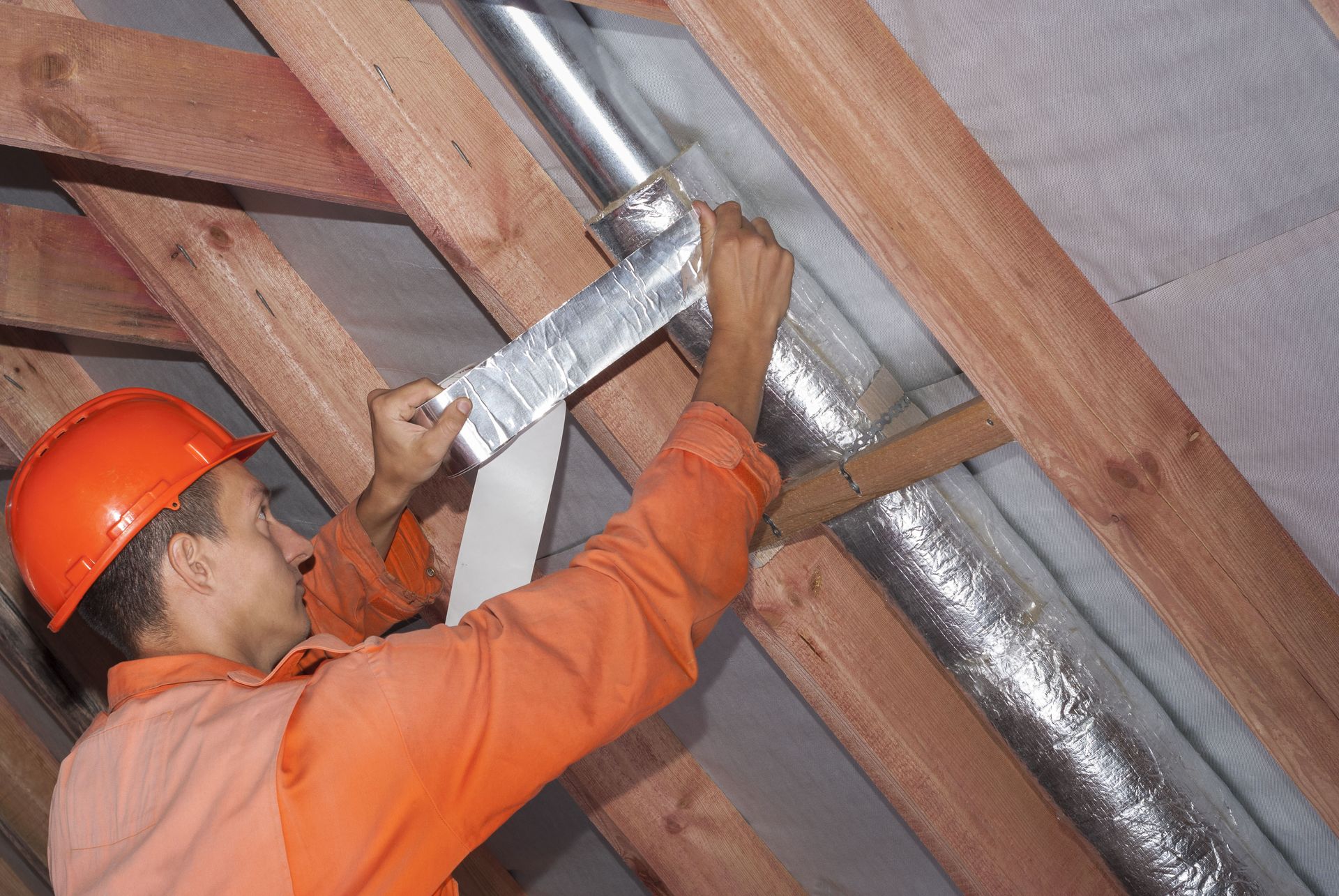
Radiant barrier installation can help by reflecting radiant heat away from the building before it reaches occupied areas. Pairing a radiant barrier with properly installed insulation creates a stronger defense against temperature extremes. Upgrading roof and attic insulation frequently produces some of the most noticeable improvements in comfort and energy use, especially in large single-story facilities. Because these areas can be difficult and unsafe to access, this work belongs in the hands of trained professionals with the right equipment.
Adding Soundproofing to Shared Spaces
Building performance isn't only about temperature. Noise can affect productivity, privacy, and the overall experience for employees, tenants, and customers. Conversations that carry from one office to the next, mechanical noise from equipment rooms, and sound bleeding between tenant suites can all create frustration.
Many commercial insulation contractors now offer soundproofing solutions alongside their thermal insulation services. Insulating interior walls, ceilings, and floors with sound-dampening materials can significantly reduce noise transfer. Cellulose and fiberglass both offer acoustic benefits when installed in interior wall cavities. Conference rooms, medical exam rooms, executive offices, and break areas tend to benefit the most. For multi-tenant buildings, improved sound control can even become a selling point that helps attract and retain occupants. A professional can recommend the right combination of materials and installation methods to meet your acoustic goals.
Planning Upgrades Around Building Changes
Commercial properties rarely stay the same for long. Renovations, expansions, new tenants, and changes in how you use a space can all affect your insulation needs. A storage area that becomes office space, for example, will require far better temperature control than it did before.
Smart property owners bring commercial insulation contractors into the planning process early rather than treating insulation as an afterthought. Coordinating insulation work with other construction projects can save time and money, since walls and ceilings may already be open. Early planning also helps ensure your building meets current building code requirements, which may have changed since the original construction. Energy-efficient upgrades completed during a renovation can lower operating costs for years to come and boost your property's value. Working with professionals throughout the process reduces the risk of mistakes that could lead to moisture problems, inadequate coverage, or code violations down the road.
Better building performance starts with insulation that fits your property's unique demands. By scheduling an assessment, sealing air leaks, choosing the right materials, focusing on the roof, addressing noise, and planning around changes, you can create a more comfortable and efficient commercial space. These strategies deliver the strongest results when skilled commercial insulation contractors handle the evaluation and installation, since professional workmanship directly affects how well your insulation performs over time. Improper installation can leave gaps, compress materials, and undermine the investment you've made.
If you're ready to improve your building's comfort and efficiency, we're here to help. At M & J Insulation, our team of commercial insulation contractors offers spray foam, fiberglass, and cellulose insulation, along with radiant barrier installation, soundproofing solutions, and energy-efficient upgrades for businesses throughout the Oklahoma City area. We provide free estimates on our services, so contact us today to schedule your assessment and take the next step toward a better-performing building.