By: Shellie Munsey
September 28, 2026
Energy efficiency is an important consideration for commercial buildings because heating and cooling can account for a significant portion of operating expenses. Poor insulation can allow conditioned air to escape and outdoor temperatures to affect indoor spaces. These problems can make HVAC systems work harder to maintain comfortable temperatures throughout the building. Proper insulation creates a barrier that helps control heat transfer through walls, ceilings, roofs, and other areas of the structure. A commercial insulation contractor can evaluate the building and determine which insulation solutions are appropriate for its design and needs. The right approach can also contribute to more consistent indoor temperatures across different areas of a property. Improving the building envelope can support both comfort and long-term energy management. With thoughtful insulation planning, commercial property owners can address energy loss while creating a more controlled indoor environment.
Identifying Sources of Energy Loss
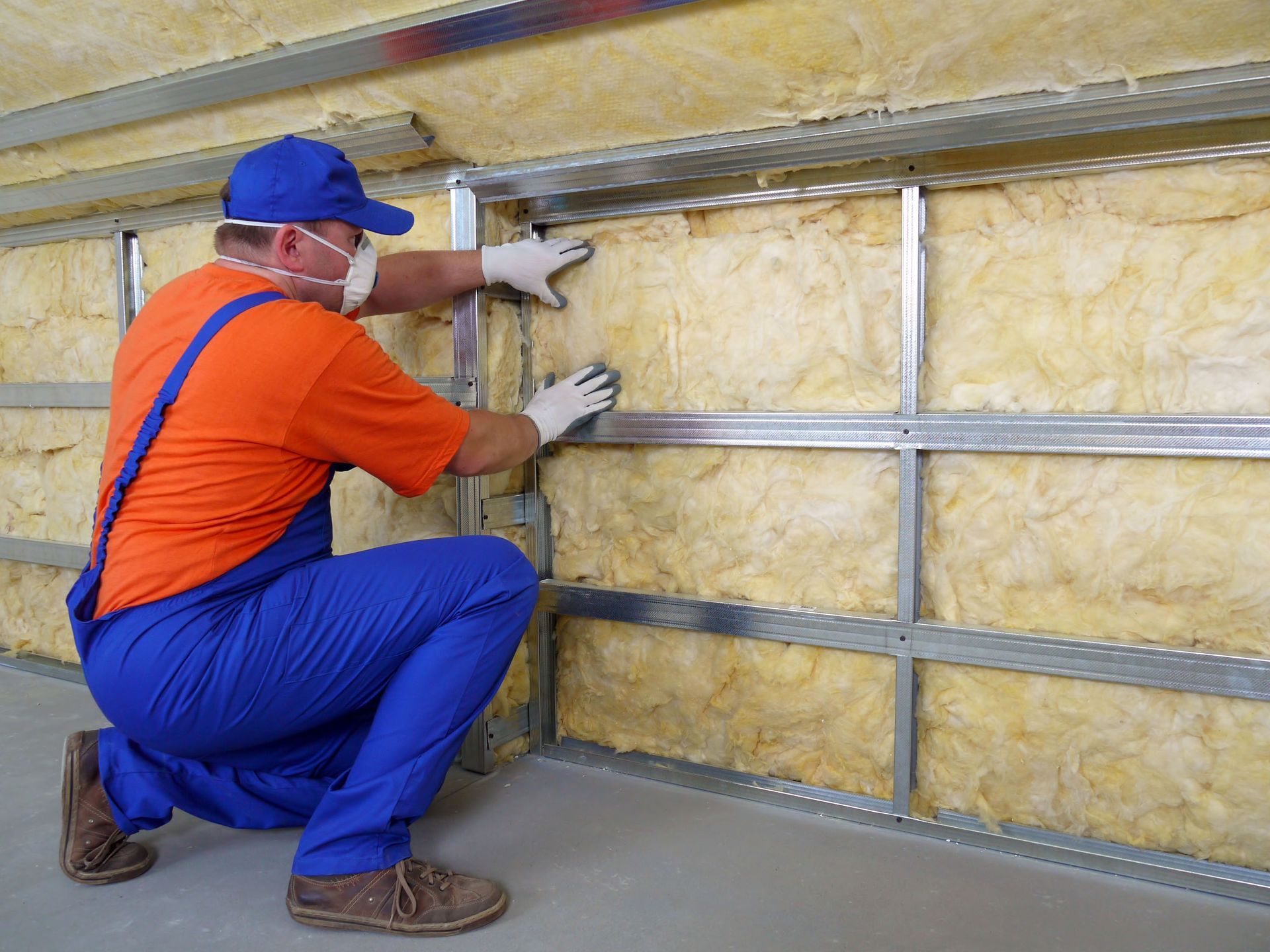
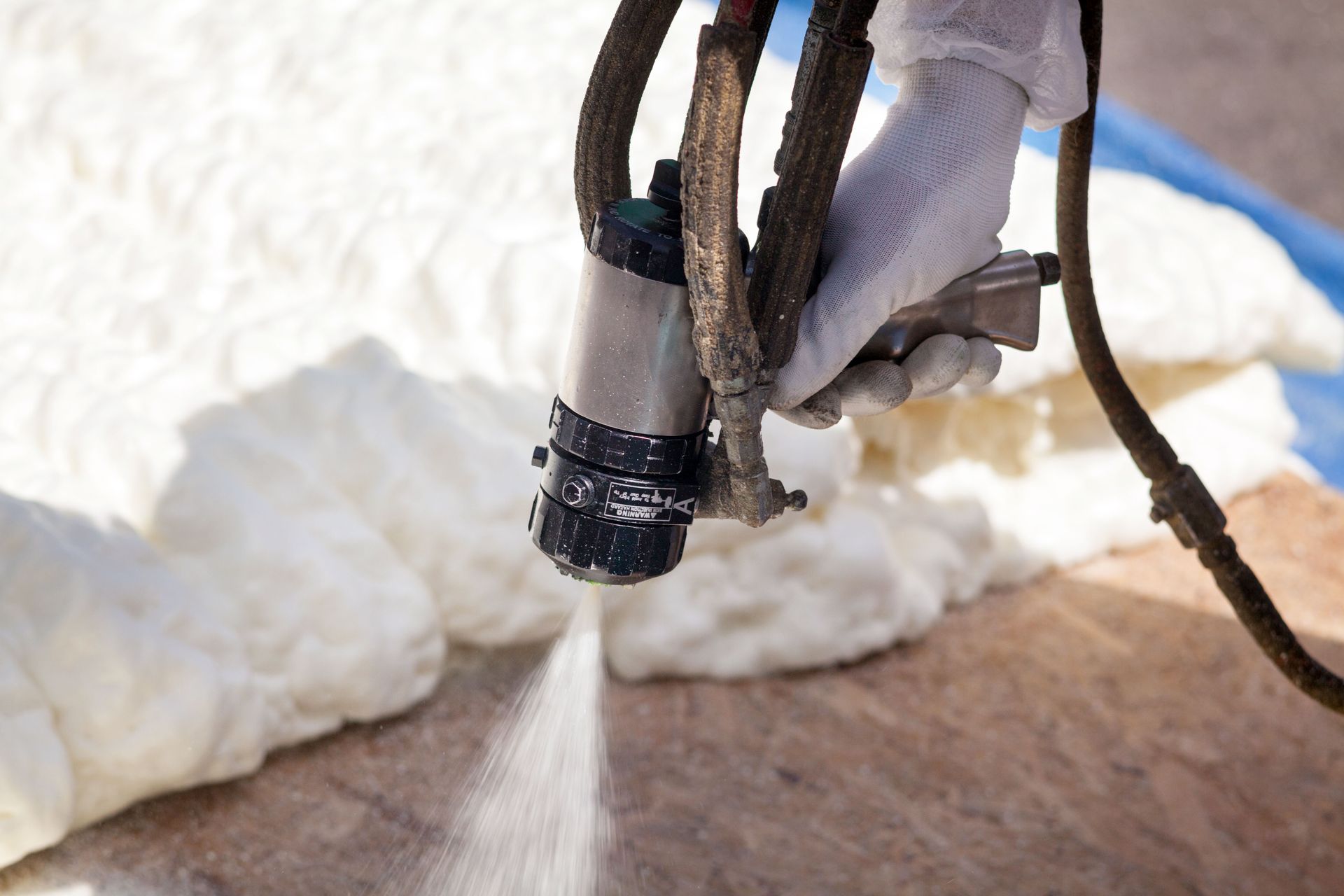
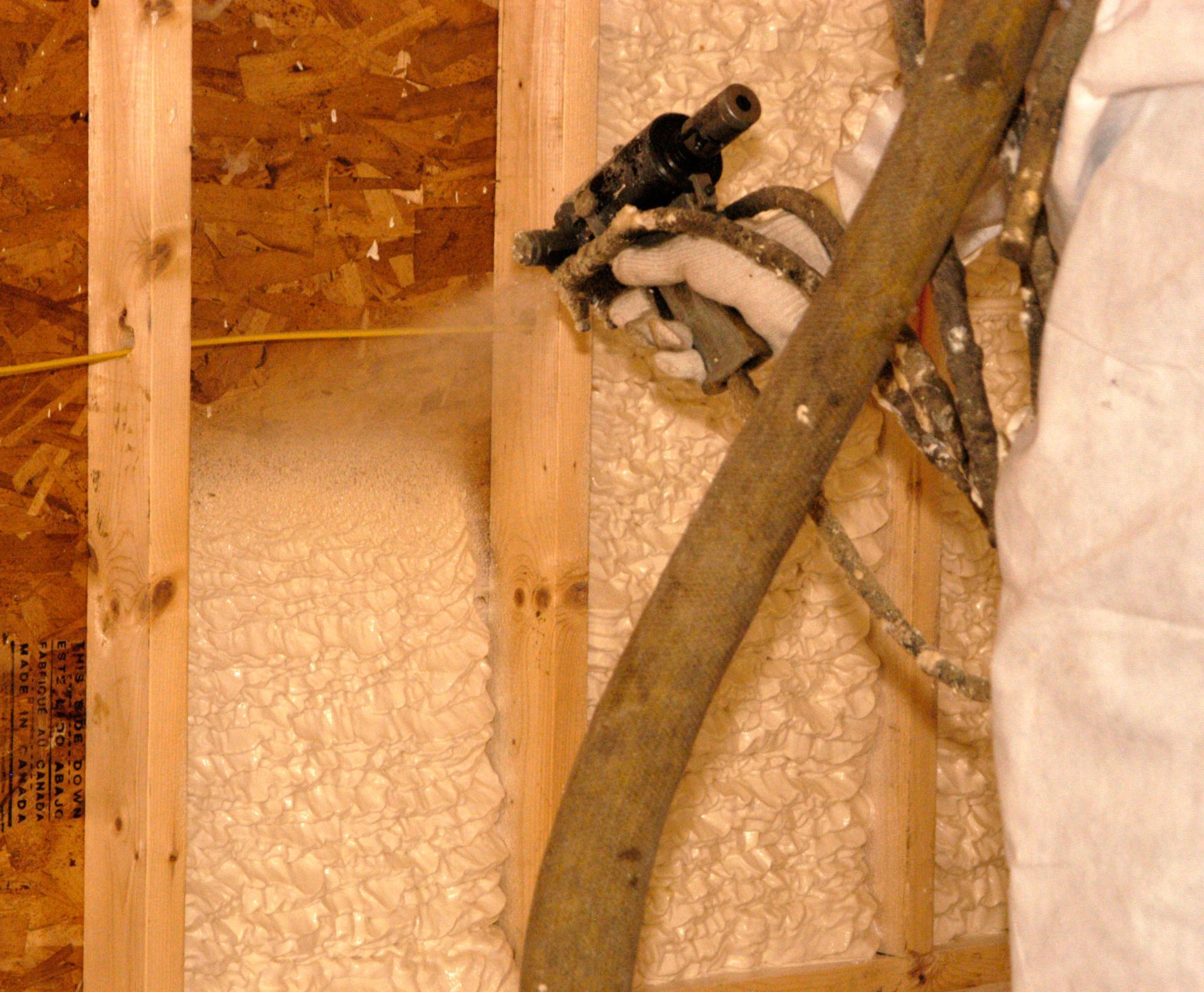
The first step toward improving energy efficiency is identifying where unwanted heat transfer occurs within a commercial building. Insulation may deteriorate, become compressed, or have gaps that reduce its ability to perform effectively. Areas surrounding windows, doors, pipes, electrical penetrations, and mechanical systems can also create opportunities for conditioned air to escape. Older buildings may have insulation that no longer meets the property's current performance requirements. A commercial insulation contractor can examine these areas and identify locations where improvements may be beneficial. According to PropertyInspect, spray foam has been found to provide 50% more insulation than traditional materials such as mineral wool and fiberglass. Identifying these weak points allows property owners to address specific problems rather than relying on generalized improvements. A detailed evaluation can provide a clearer understanding of how insulation contributes to the building's overall energy performance.
Improving Thermal Resistance
Insulation works by slowing the movement of heat between areas with different temperatures. During warmer months, effective insulation can help limit heat entering conditioned spaces from the exterior. During colder weather, it can help reduce the movement of indoor heat toward colder surfaces outside the building. The effectiveness of insulation depends on factors such as material type, thickness, installation quality, and the location where it is installed. A commercial insulation contractor can recommend solutions based on the building's construction and energy-efficiency goals. Improving thermal resistance can reduce the amount of work required from heating and cooling equipment. This may help create more stable indoor temperatures throughout occupied areas. A properly insulated building can therefore provide a stronger barrier against temperature changes throughout the year.
Supporting HVAC System Performance
Heating and cooling equipment must work harder when a building loses conditioned air through poorly insulated areas. Excessive heat transfer can cause HVAC systems to run more frequently or for longer periods to maintain the desired temperature. This added workload can contribute to higher energy consumption and greater wear on mechanical equipment. Improving insulation helps create a more controlled environment for HVAC systems to operate within. A commercial insulation contractor can address areas where heat transfer may be placing unnecessary demands on the building's heating and cooling equipment. Better insulation can also reduce temperature fluctuations that cause occupants to adjust thermostats frequently. Maintaining a more stable indoor environment can make HVAC operation more predictable. Insulation improvements should therefore be considered alongside other strategies for managing commercial building energy use.
Controlling Indoor Temperature Changes
Temperature differences can be particularly noticeable in large commercial buildings with multiple rooms, floors, or work areas. Spaces located near exterior walls or roofs may experience different conditions than areas located deeper inside the building. Proper insulation can reduce the rate at which outdoor temperatures influence these interior spaces. This can make it easier to maintain consistent conditions across occupied areas. A commercial insulation contractor can determine where additional insulation or improved coverage may help address temperature inconsistencies. Properly installed insulation can also reduce drafts caused by gaps and weak points within the building envelope. More consistent temperatures can contribute to a more comfortable environment for employees, customers, tenants, or visitors. Maintaining balanced indoor conditions is an important part of creating an efficient and functional commercial property.
Reducing Heat Transfer Through the Building Envelope
The building envelope includes the components that separate the interior environment from outdoor conditions. Walls, roofs, ceilings, floors, and other structural areas can all influence how easily heat moves through the property. Weak insulation in any of these locations can contribute to unnecessary energy loss. Addressing the envelope as a complete system can help property owners identify opportunities for improvement. A commercial insulation contractor can evaluate different sections of the structure and determine where insulation upgrades may be appropriate. Materials and installation methods should be selected according to the specific characteristics of each area. Reducing heat transfer can help the building maintain desired indoor temperatures with less reliance on mechanical heating and cooling. A stronger thermal barrier can also support more consistent performance throughout different seasons.
Improving Moisture and Air Management
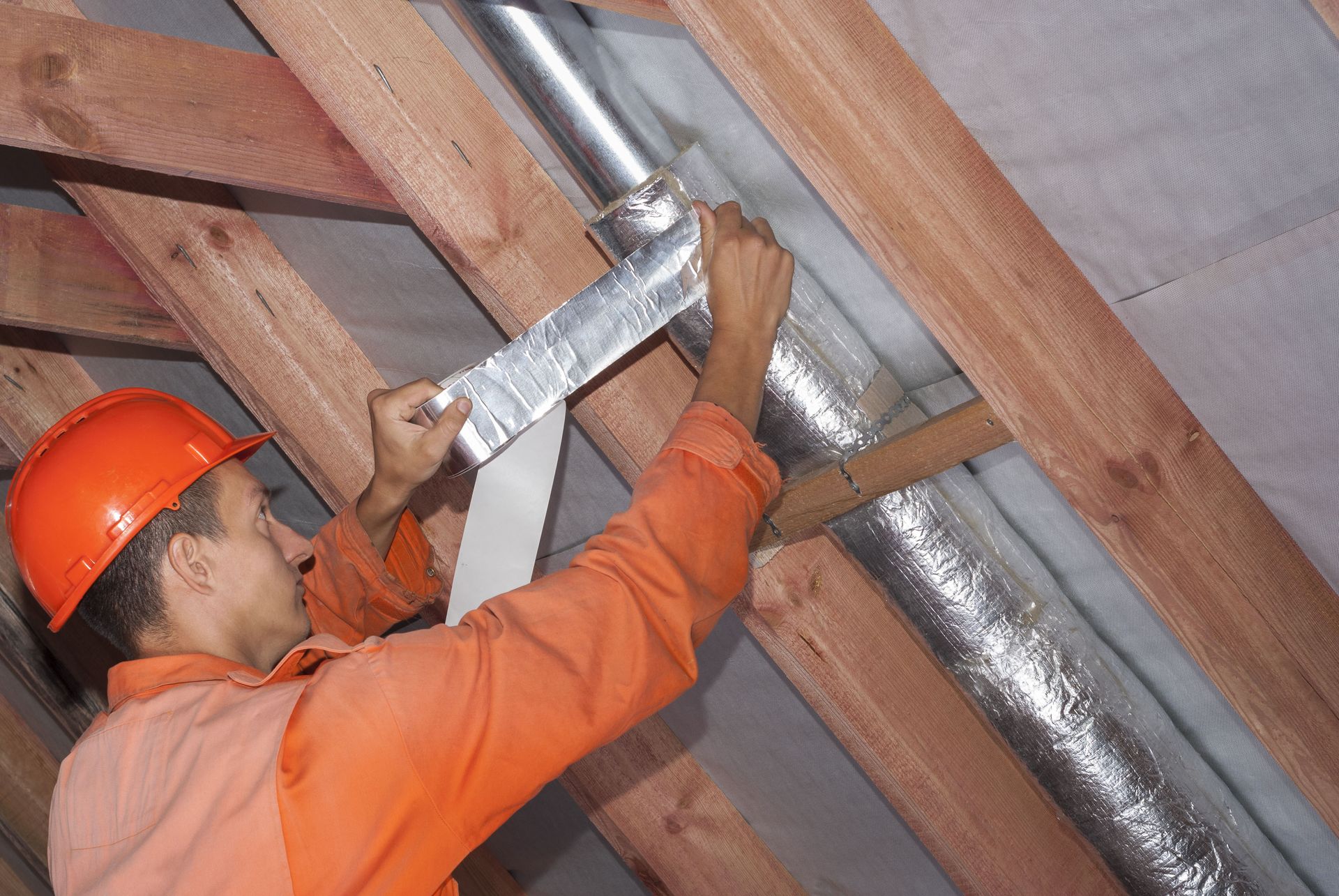
Insulation can play an important role in managing the movement of air and moisture within certain building assemblies. Uncontrolled air movement can carry heat and moisture through gaps, cracks, and other openings in the building envelope. Excess moisture can also create conditions that may damage building materials if it is not properly managed. The appropriate insulation system can help address these concerns when it is designed and installed correctly. A commercial insulation contractor can consider the building's construction, climate conditions, and specific areas of concern when developing an insulation approach. Proper installation is particularly important because gaps or incomplete coverage can reduce overall performance. Coordinating insulation with air sealing and moisture-control strategies can create a more effective building envelope. These measures can support energy efficiency while helping protect the long-term condition of the structure.
Selecting Appropriate Insulation Materials
Different commercial properties have different insulation requirements, so choosing a material should not be based solely on its initial cost. Factors such as thermal performance, installation location, moisture exposure, building design, and long-term maintenance should be considered. Some materials may be better suited for walls, while others can provide advantages in roofs, ceilings, or difficult-to-reach areas. Property owners should also consider how the selected material will perform under the building's specific conditions. A commercial insulation contractor can explain the characteristics of available options and help identify suitable applications. Professional installation is equally important because even high-performing materials may not deliver their intended benefits when installed incorrectly. Selecting the right combination of materials and installation techniques can help maximize the value of an insulation project. A thoughtful material selection process can contribute to better energy management and long-term building performance.
Supporting Long-Term Building Efficiency
Energy efficiency should be viewed as an ongoing consideration rather than a one-time improvement. Commercial buildings can experience changes over time as materials age, spaces are renovated, or heating and cooling demands change. Insulation should remain part of broader maintenance and building improvement plans. Periodic evaluations can help identify areas where insulation has become damaged, compressed, or less effective. A commercial insulation contractor can assist with identifying potential improvements when property owners notice changes in indoor comfort or energy performance. Addressing insulation concerns before they become larger problems may help property owners manage future improvement costs. Efficient insulation can also complement other building upgrades, including improved HVAC equipment, energy-efficient windows, and air-sealing measures. Taking a long-term approach allows insulation to remain an important part of maintaining a comfortable and energy-conscious commercial property.
M & J Insulation can help commercial property owners address insulation needs with solutions designed around their buildings and performance goals. Contact us today to discuss your commercial insulation project and explore ways to improve the building's energy efficiency and indoor comfort.